





Software Staff Augmentation in 2026: What Comes After the Remote Work Hangover
- Why the Old Augmentation Model Started Cracking
- The Cost of Getting Augmentation Wrong
- The Shift Toward Outcome-Aligned Augmentation
- From Individuals to Pods and Squads
- Embedded Leadership Is No Longer a Luxury
- AI as a Quiet Force Multiplier
- Where Modern Augmentation Still Breaks Down
- Faster Ramp-Up Without Cutting Corners
- How Internal Teams Must Evolve to Support Modern Augmentation
- Risk Sharing as a Trust Signal
- Choosing the Right Augmentation Partner in 2026
- Final Thoughts
- Where iProgrammer Fits Into This New Model
Remote work did not fail. It simply revealed its limits.
By late 2025, many tech leaders stopped asking whether distributed teams work. They started asking a harder question. Why does it feel harder than it should? Projects moved slower. Accountability blurred. Onboarding took longer. Teams looked busy, yet outcomes felt thin. What once felt like freedom slowly turned into operational drag.
This fatigue is shaping how companies think about talent in 2026. The old idea of plugging individual developers into a backlog no longer holds. What replaces it is more deliberate, outcome-focused, and operationally mature.
This is where Software Staff Augmentation is evolving. In 2026, augmentation is about building capability without adding fragility. The companies doing it well treat augmentation as an extension of delivery strategy, not a procurement exercise.
This blog breaks down how augmentation is evolving, why embedded leadership now matters, and how AI is reshaping delivery and governance. It also shows how businesses can avoid repeating remote work mistakes under a new name.
Traditional augmentation grew during a different era. Speed mattered more than cohesion. Talent scarcity justified quick fixes. A developer joined, received tasks, and shipped code. Coordination stayed light. Oversight remained internal.
Remote work scaled this model rapidly. Too rapidly.
Teams became globally scattered. Time zones multiplied. Cultural gaps widened. Knowledge stayed siloed. When individuals left, context left with them. Managers spent more time aligning than building. Velocity dropped without an obvious reason.
The core flaw was structural. Individual contributors were added without shared ownership. Delivery risk stayed with the client. Augmented talent executed tasks, but rarely owned outcomes.
This approach feels outdated. Businesses now want partners who share responsibility, not just capacity. That expectation reshapes how Technology Staff Augmentation is designed and delivered.
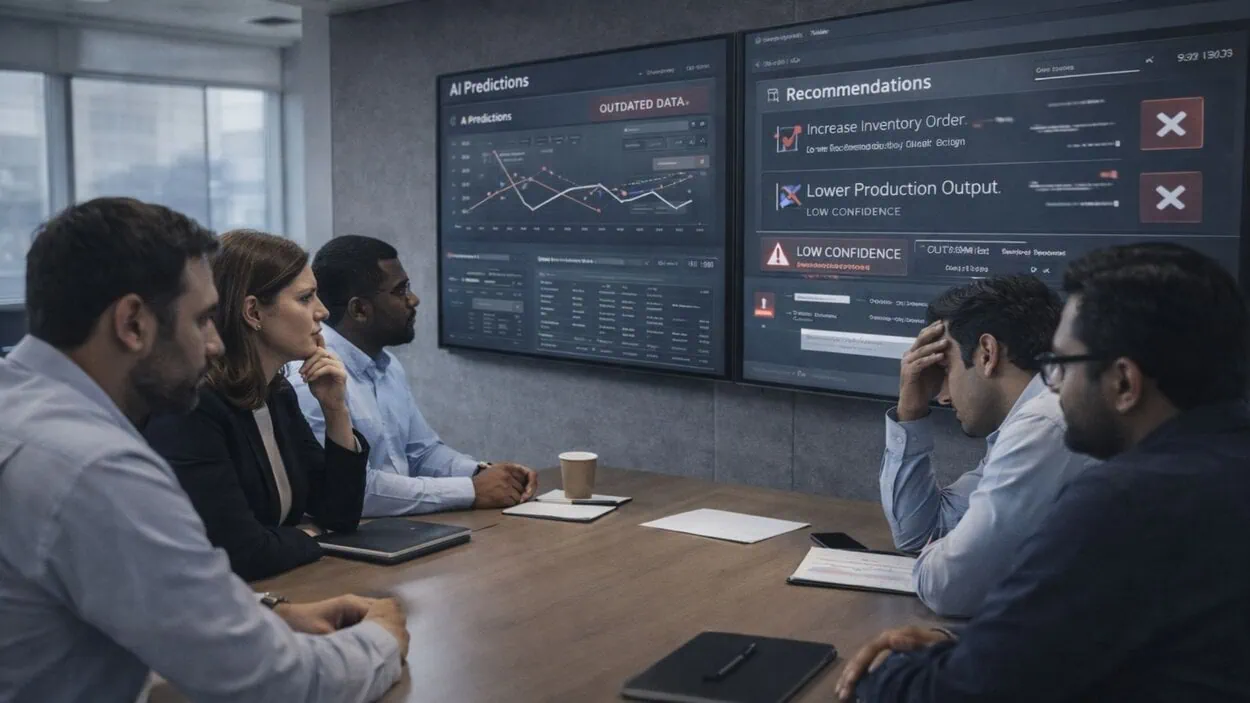
When augmentation fails today, the damage is rarely immediate. It accumulates quietly across delivery cycles.
- Missed deadlines are the most visible cost, but they are rarely the most expensive. More often, teams absorb the delay and move on. What remains hidden is the erosion of trust between product, engineering, and leadership.
- Poorly structured augmentation also inflates internal management load. Senior engineers spend time unblocking instead of building. Product managers shift from strategy to coordination. The opportunity cost compounds sprint after sprint.
- Knowledge loss creates another long tail risk. When individuals exit without structured handover, systems become fragile. New hires move cautiously. Innovation slows. Technical debt grows in silence.
- There is also a cultural cost that rarely appears in reports. Internal teams become skeptical of external support. Collaboration turns transactional. Future augmentation efforts face resistance before they begin.
These costs matter more than hourly rates. The real risk of outdated augmentation is not overspending. It is underperforming while believing progress is being made. This is why modern models focus on ownership, structure, and governance from the start. They reduce not just delivery risk, but organizational drag.
The most important change is alignment. Not cultural alignment. Outcome alignment.
Modern augmentation contracts start with goals, not roles. Instead of asking for three backend developers, teams define what success looks like over six months. Faster releases. Reduced defects. Platform stability. Feature velocity. The talent model flows backward from those outcomes.
This shift changes conversations early. Scope becomes clearer. Metrics are explicit. Accountability is shared. Augmented teams are evaluated on results, not hours logged.
Outcome-aligned augmentation also reduces friction. Developers understand why their work matters. Product teams see progress in business terms. Stakeholders regain trust because delivery feels visible again.
This is no longer optional. Outcome alignment separates mature augmentation partners from staffing vendors.
One of the clearest lessons from remote fatigue is this. Individuals struggle without structure. Teams thrive when structure supports them.
That insight drives the move toward pod-based or squad-based augmentation. Instead of hiring isolated roles, companies now onboard small, cross-functional units. Each pod includes developers, testers, and often a product or delivery owner.
Pods come with defined responsibilities. They own a service, module, or workflow. Communication stays tighter. Dependencies are clearer. Velocity improves because teams move together.
This model mirrors how strong internal teams operate. It reduces coordination overhead. It also makes performance easier to measure. When a pod succeeds or fails, causes are visible.
Development Team Augmentation increasingly follows this pod-first structure. It reflects a deeper understanding of how software actually gets built.
| Aspect | Individual Augmentation | Pod-Based Augmentation |
|---|---|---|
| Accountability | Fragmented | Shared and clear |
| Ramp-up time | Longer | Shorter |
| Knowledge retention | Low | High |
| Delivery ownership | Client-led | Shared |
| Risk exposure | High | Managed |
There is another defining change. Leadership is embedded, not borrowed.
- Remote fatigue exposed a painful truth. Distributed teams without technical leadership drift. Code quality erodes. Decisions slow down. Standards vary. Developers wait for direction instead of shaping solutions.
- Modern augmentation models address this by embedding Tech Leads and Delivery Managers directly within augmented teams. These roles are not oversight layers. They are active participants.
- Tech Leads ensure architectural consistency. They mentor developers. They anticipate risks before they become incidents. Delivery Managers handle cadence, dependencies, and stakeholder communication.
- This embedded leadership reduces client burden. Internal managers focus on strategy instead of daily coordination. Augmented teams operate with autonomy, yet stay aligned.
In 2026, any serious Tech Staff Augmentation engagement includes leadership by design, not as an add-on.
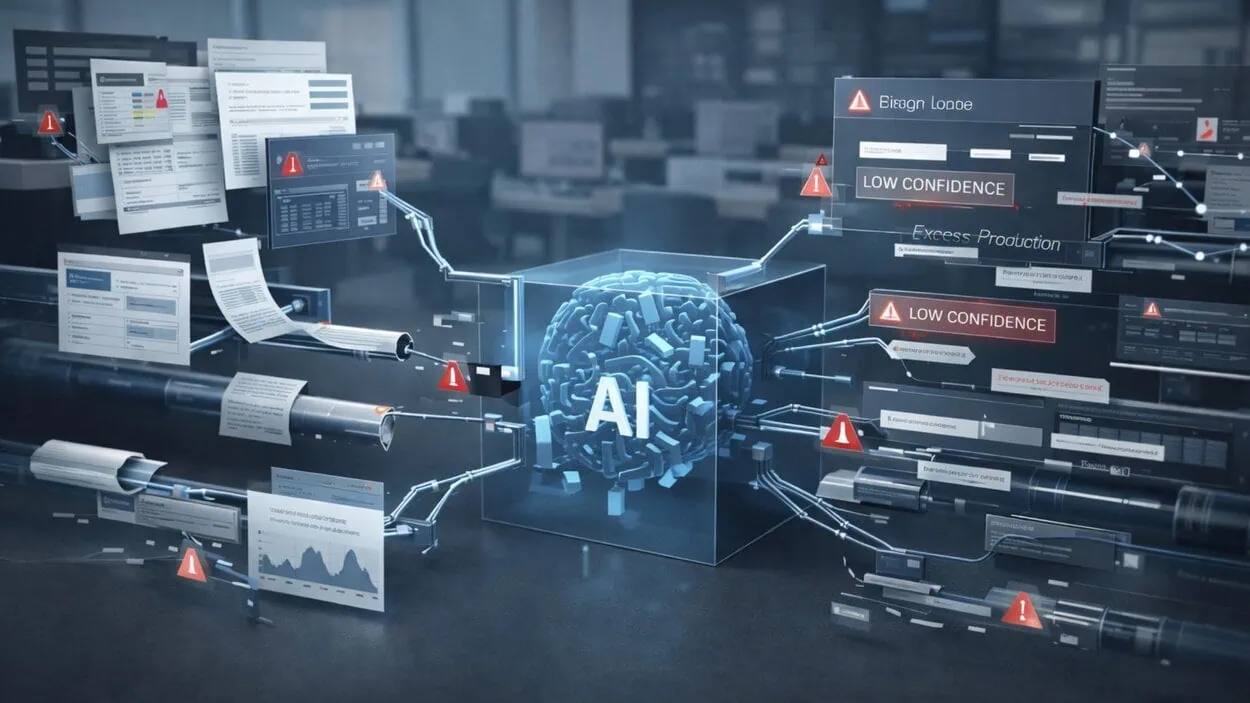
AI is not replacing developers. It replaces friction. Augmented teams now rely on AI-assisted tools for code reviews, test generation, documentation, and performance monitoring. These tools shorten feedback loops. They catch issues early. They reduce cognitive load.
More importantly, AI improves governance. Delivery metrics are tracked automatically. Anomalies surface faster. Compliance becomes continuous instead of periodic.
This matters for augmented teams because visibility often breaks at scale. AI restores that visibility without adding meetings or reports.
Smart augmentation partners integrate AI into workflows, not pitches. The impact shows up in fewer regressions, cleaner handovers, and predictable delivery.
Even in 2026, not every augmentation engagement succeeds. The failure patterns have changed, but they have not disappeared.
- One common issue is outcome alignment that exists only on paper. Contracts mention results, but incentives remain activity-driven. Teams stay busy, yet progress feels cosmetic. When outcomes are not reinforced through delivery ownership, alignment weakens quickly.
- Pods can also become constrained when authority is unclear. A squad that cannot make technical decisions slows down. Dependency chains grow. Escalations multiply. Structure alone does not guarantee speed. Decision rights must travel with responsibility.
- Embedded leadership sometimes fails for subtler reasons. Tech Leads get reduced to coordinators instead of technical owners. Delivery Managers focus on reporting instead of removing blockers. When leadership roles lack mandate, their presence adds friction instead of clarity.
- AI introduces its own risks. Metrics can create a false sense of control. Dashboards look healthy while underlying quality slips. When teams rely on signals without interpretation, governance becomes superficial.
One common complaint about augmentation has always been ramp-up time. By the time a developer understands the system, priorities shift. Value arrives late.
Leading providers address this structurally. Documentation is standardized. Knowledge transfer follows playbooks. Pods onboard together, not individually. Leadership roles accelerate context sharing.
Shorter ramp-up does not mean shallow understanding. It means intentional onboarding.
This also benefits exits. When engagements end, knowledge stays organized. Transitions feel planned, not rushed. Clients avoid the dreaded dependency trap.
Clear exit paths are now a selling point. They signal confidence. They show respect for the client’s long-term roadmap.
Augmentation does not operate in isolation. Internal teams play a defining role in whether it succeeds or stalls.
- One of the biggest constraints is unclear product ownership. When priorities shift without explanation, augmented teams lose momentum. Clear decision-makers reduce hesitation and keep delivery focused.
- Internal response time also matters more than many realize. Delayed feedback creates hidden bottlenecks. Even high-performing pods slow down when approvals lag or requirements stay vague.
- Documentation discipline is another shared responsibility. Augmented teams can standardize onboarding, but internal systems often hold critical context. When that knowledge is fragmented, ramp-up extends despite best efforts.
- Cultural alignment shows up in smaller moments. How feedback is given. How risks are discussed. How failures are handled. These signals shape trust faster than any onboarding deck.
- The strongest augmentation outcomes appear when internal teams adapt alongside external ones. Structure aligns. Expectations stay visible. Accountability flows both ways. In that environment, augmentation stops feeling external and starts functioning as part of the delivery engine.
| Dimension | 2020 Model | 2026 Model |
|---|---|---|
| Focus | Capacity | Outcomes |
| Structure | Individual roles | Pods and squads |
| Leadership | Client-owned | Embedded |
| Governance | Manual | AI-assisted |
| Engagement end | Abrupt | Planned and clean |
Another subtle change is how risk is distributed.
Earlier models pushed most risk onto clients. Missed deadlines. Quality issues. Knowledge gaps. Vendors supplied talent, not accountability. Strong augmentation partners share delivery risk. SLAs reflect outcomes. Leadership roles take responsibility. Feedback loops stay transparent.
This shift builds trust. Clients feel supported, not exposed. Vendors invest in long-term relationships instead of short-term placements. Software Staff Augmentation works best when incentives align. Risk sharing ensures they do.
Choosing the Right Augmentation Partner in 2026
Not every provider has adapted. Some still sell resumes. Others rebrand staffing as strategy without structural change.
Evaluating partners now requires sharper questions.
- How do they structure teams?
- Who owns delivery?
- How is performance measured?
- What happens when priorities shift?
The answers reveal maturity quickly. Companies that succeed with augmentation in 2026 treat partner selection as a strategic decision. They look beyond rates. They assess process, leadership, and delivery discipline.
Remote work fatigue did not kill distributed teams. It forced them to mature. In 2026, augmentation succeeds when it feels intentional. Teams know why they exist. Leaders know what they own. Clients know what to expect.
This is not about abandoning flexibility. It is about restoring clarity. Technology Staff Augmentation, when done well, offers leverage without loss of control. It allows companies to scale without chaos. It supports growth without permanent overhead.
Where iProgrammer Fits Into This New Model
At iProgrammer, we operate within this evolved understanding of augmentation. The focus stays on building delivery-ready teams, not isolated roles. Pods are structured around outcomes. Leadership is embedded from day one. Governance is transparent and measurable.
Businesses can hire developers from a reliable IT Staff Augmentation Services company with access to more than 500+ vetted IT talent. This talent is not just screened for technical skill. It is aligned for collaboration, accountability, and long-term delivery impact.
With iProgrammer’s IT Team Augmentation Services, organizations gain access to top-notch IT talent while retaining control, clarity, and continuity. Whether the need involves scaling a product team, modernizing a platform, or accelerating delivery, the approach stays grounded. Outcomes first. Structure second. Talent third.