



Fitness App Development Like Spolto in India: A Complete Guide for 2026
-
- Why Fitness App Development Is Booming in India
- Understanding Apps Like Spolto: What Makes Them Work
- Key Features of a Successful Fitness App
- Minimum Features for a Fitness App MVP
- Types of Fitness Apps You Can Build
- Step-by-Step Process for Fitness App Development
- Development Timeline for Fitness Apps
- Recommended Tech Stack for Fitness App Development
- Fitness App Development Cost in India
- Challenges in Fitness App Development
- How to Build a Fitness App Like Spolto
- Role of AI in Fitness App Development
- Future Trends in Fitness App Development
- Choosing the Right Fitness App Development Company
- About iProgrammer Solutions
- Conclusion
- FAQs
You finish a workout and instinctively check your phone. Calories burned, heart rate zones, streak count. Everything is tracked, visualized, and pushed back to you as motivation. For users, this feels simple. For businesses, building that experience is anything but simple. The global fitness app market is projected to reach over USD 33.58 billion by 2033, reflecting the scale and speed of this shift.
Behind every successful fitness app development, there are several decisions made. Product positioning, data structure, user psychology, and performance engineering are all important factors. In India, the digital fitness industry is growing in metros and tier-2 cities. Expectations are growing faster than ever.
Apps like Spolto have set the bar high by providing structured training, performance tracking, and user journeys. This shows that the industry is shifting from tracking tools to behavior-influencing tools. If you plan on investing in the development of fitness apps, remember that you are not simply developing an app. You are creating a habit for your users.
This guide provides all the information you need to know. It covers features, technology stack, and costs. It gives a detailed description of developing a fitness app like Spolto.
Quick Insight: Most fitness apps lose over 70% of users within the first 30 days. The challenge is not downloads. It is sustained engagement.
Why Fitness App Development Is Booming in India
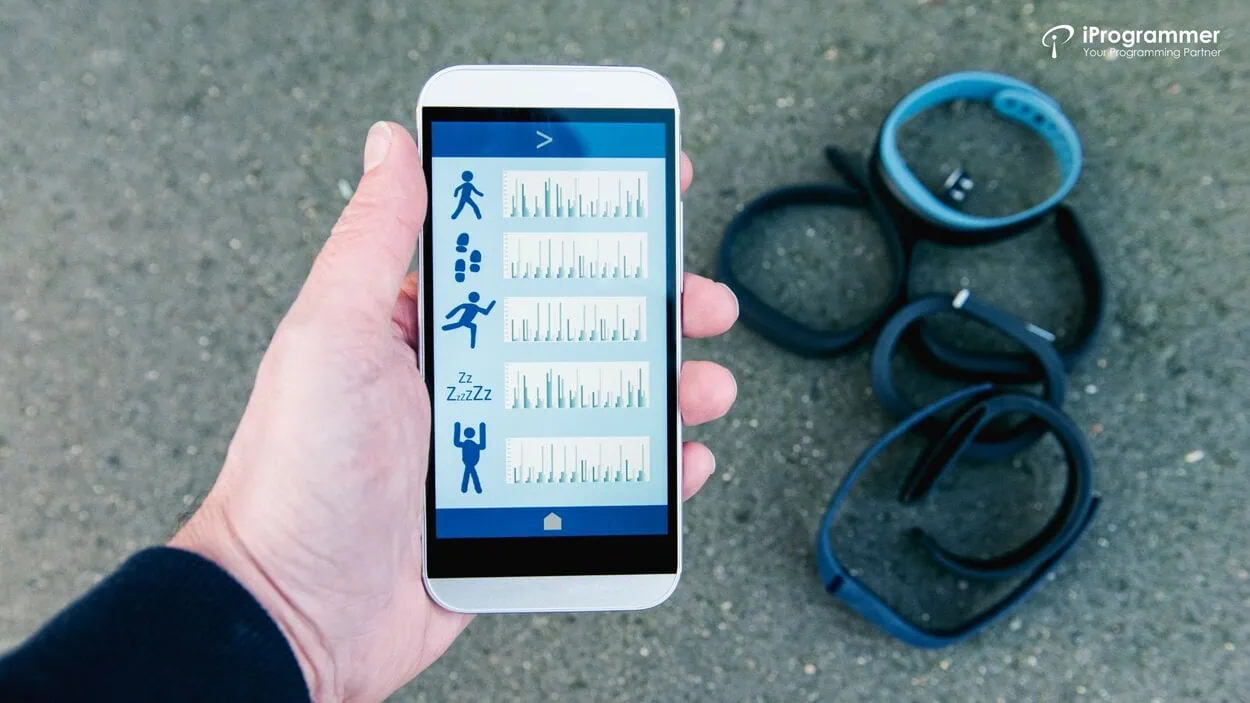
The Indian fitness industry has experienced tremendous transformations in the past five years. The fitness industry is no longer limited to physical fitness. Consumers are demanding more personal support in fitness at any time and anywhere.
There are several contributing factors for this trend:
- Increased use of smartphones in urban and semi-urban regions
- Increased focus on preventive healthcare
- Increase in the adoption of hybrid fitness models that utilize online and offline fitness services
- Increase in the adoption of wearable devices, including smart watches and fitness bands
The demand is no longer limited to workout tracking. Users want guided programs, diet plans, real-time feedback, and community engagement.
For businesses, there is an opportunity here. A fitness app is considered to be a potential business opportunity.
Did you know? India ranks among the quickest expanding markets in the fitness apps sector, mainly due to the younger demographic under 35 years embracing a hybrid fitness model
Understanding Apps Like Spolto: What Makes Them Work
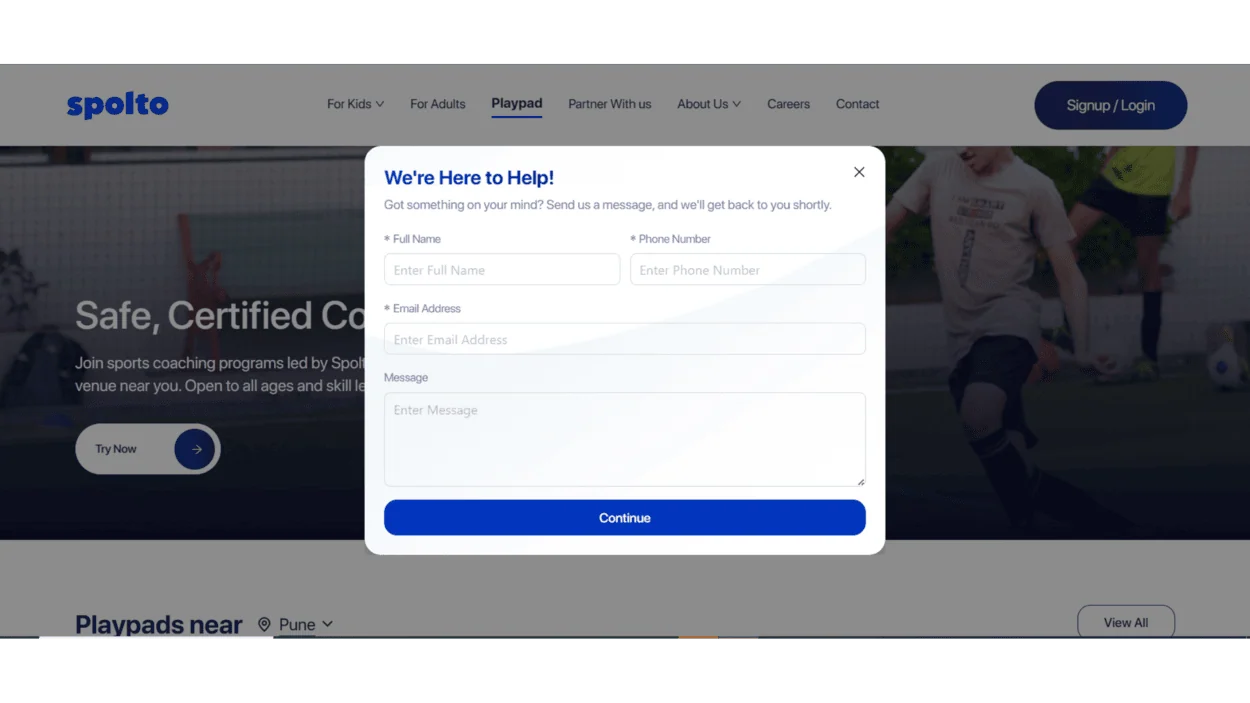
Before you build, it is important to understand what makes apps like Spolto effective. They do not just track workouts. They guide users through a structured journey.
Here is what defines such platforms:
- Personalized fitness plans based on goals and user behavior
- Real-time performance tracking with actionable insights
- Community features that create accountability
- Content-driven engagement through videos and programs
- Seamless integration with wearables and health platforms
The secret is to combine data with motivation. Users will stick around when they see results and feel supported.
Key Features of a Successful Fitness App
A good set of features is the basis of the user experience and their return to your application. The focus should still be on user experience, engagement, and long-term value.
Feature Impact Overview
| Feature Area | Primary User Value | Business Impact |
|---|---|---|
| Onboarding & Profiles | Quick setup and personalization | Higher activation rates |
| Goal-Based Journeys | Clear fitness direction | Better retention |
| Personalized Workouts | Adaptive training plans | Increased engagement |
| Activity Tracking | Real-time performance data | Consistent usage |
| Video Training | Guided workouts | Reduced drop-offs |
| Progress Analytics | Visible improvement | Higher motivation |
| Nutrition Management | Holistic tracking | Daily app usage |
| Gamification | Rewards and challenges | Stronger retention |
| Community Features | Accountability | Organic growth |
| Notifications | Timely nudges | Habit formation |
| Payments | Easy premium access | Revenue growth |
| Trainer Interface | Expert guidance | Monetization scope |
| Admin Dashboard | Platform control | Scalable operations |
| Integrations | Connected ecosystem | Higher product value |
| Offline Access | Uninterrupted usage | Better experience |
- Onboarding and Profiles: Keep inputs minimal. Progressively capture deeper data after initial setup.
- Goal-Based Journeys: Divide long-term goals into smaller goals that are more easily achievable. This is to avoid abandoning goals.
- Personalized Workouts: Periodically change the degree of workout intensity or volume depending on certain performance indicators.
- Activity Tracking: Ensure consistency across platforms. Normalize data from different sources.
- Video Training: Emphasize simplicity and speed. The quality of instruction is crucial and affects early abandonment.
- Progress Analytics: Display simple insights. Users should not be bombarded with information.
- Nutrition Management: Make logging fast. Complexity in input reduces daily usage.
- Gamification: Emphasize rewards for significant activities, such as opening the app or clicking buttons.
- Community Features: Focus on small groups, not large communities. Large communities can actually decrease engagement.
- Notifications: Trigger them based on behavior, not schedules. Timing is more important than number of notifications.
- Payments: Minimize friction in the payment process. It affects conversion rates.
- Trainer Interface: Give trainers insights instead of data visualizations.
- Admin Dashboard: Emphasize providing insights on user behavior and content.
- Integrations: Plan for API inconsistencies. Build fallback mechanisms early.
- Offline Access: Cache critical content. Users should not depend entirely on connectivity.
Pro Tip: Features do not drive retention. How they are sequenced and experienced over time does.
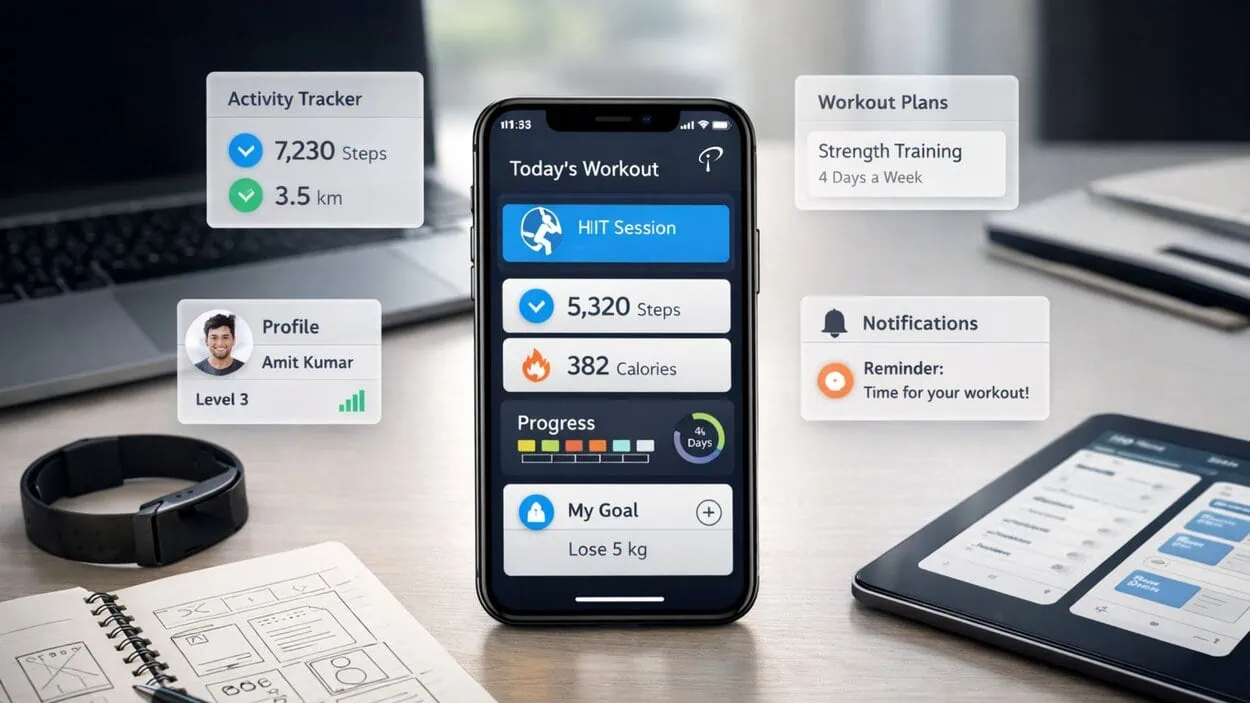
Your MVP should help users start, stick to, and finish a fitness plan without any obstacles.
What Your MVP Should Include:
- Simple Onboarding Process and Goal Setting: Collect basic information such as fitness goal and level. Keep the process simple and short.
- Structured Workout Process: Create a workout plan for the user rather than giving them a number of options. The user should know exactly what to do next.
- Basic Activity Tracking: Track workouts and important metrics. Focus on regularity rather than analysis.
- Essential Information for Progress: Display basic information such as workout completion or a workout streak. This will help the user stay motivated.
- Content Delivery (Video or Guided Steps): Provide clear information about workout execution via video or step-by-step guides. Execution is key for a good workout plan.
- Lightweight Notifications: Send notifications for workout completion or maintaining a workout streak.
Types of Fitness Apps You Can Build
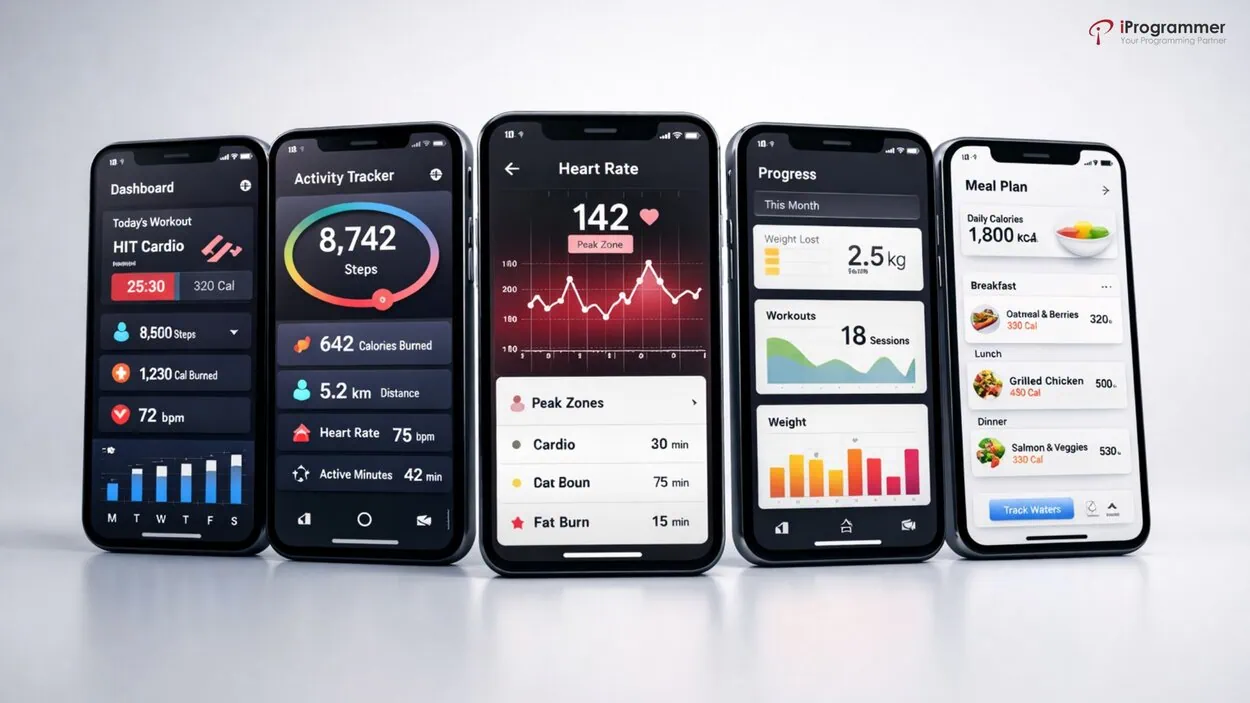
All fitness apps are not the same. The selection of the right category will also define your approach to development.
- Workout & Training Apps – Instructional workouts, video coaching, and training programs
- Activity Tracking Apps – Step counting, calories expended, heart rate tracking, and sleep monitoring
- Nutrition & Diet Apps – Meal logging, calorie tracking, and dietary strategies
- Wellness & Mental Fitness Apps – Mindfulness and calming practices
- Coaching & Trainer Apps – Personal training and user interaction
- Gym & Business Management Apps – Membership management and business operations
- Content & Live Fitness Apps – On-demand workouts and subscription-based services
- Niche & Gamified Fitness Apps – Activity-specific apps with gamified features
Each category has varying priorities and development needs.
Tip: Instead of developing for multiple categories, start with one strong use case and scale from there.
Step-by-Step Process for Fitness App Development
Developing a fitness app is a step-by-step process. Skipping any of these steps may lead to incurring extra costs in the long run.
1. Market Research and Validation
Firstly, you want to get a sense of who your users are, their fitness goals, and their daily habits. You want to get a sense of your competition and see what works and what does not work for them.
2. Define Core Features
Concentrate on creating a minimum viable product that includes the basic features. You don’t want to include too many features in the initial product.
3. UI/UX Design
Having a good user interface is also important. Your users should have the ability to use your product even when they are working out. The more you can provide a good user experience, the more likely you are to retain your customers.
4. Choose the Right Tech Stack
It is also important to select the right technology that can handle real-time data. You also need to ensure that the technology you are choosing is wearable technology compatible.
5. Development Phase
Develop frontend, backend, and APIs in a structured manner. Ensure smooth data flow from tracking, content, and user dashboard. Keep the architecture clean for future feature addition.
6. Testing and Quality Assurance
Test across devices, screen sizes, and real usage scenarios. Focus on accuracy of tracking, app speed, and stability. Even small glitches can disrupt the workout experience.
7. Deployment
Prepare the app for launch on iOS and Android platforms. Follow app store guidelines for listing the app. A smooth launch is required for the app.
8. Post-Launch Support
Keep a close eye on user behavior and performance metrics. Release new versions of the app based on feedback. Continuous improvement is key to the app’s success.
Time is often underestimated in fitness app development.
| Development Stage | Duration |
|---|---|
| Research and Planning | 2–4 weeks |
| Design | 3–6 weeks |
| Development | 3–6 months |
| Testing | 3–5 weeks |
| Deployment | 1–2 weeks |
Frontend
|
Backend | Database |
Cloud and Hosting
|
Integrations
|
Fitness App Development Cost in India
The cost of developing a fitness app in India depends on certain factors. Some of them include features, complexity, expertise, and time.
Key Cost Drivers
- Number of features
- UI/UX complexity
- Platform choice (iOS, Android, or both)
- Third-party integrations
- Development team location
Estimated Cost Breakdown
| App Complexity | Features Included | Estimated Cost (INR) |
|---|---|---|
| Basic App | Workout tracking, user profiles | 5–10 Lakhs |
| Mid-Level App | Video content, analytics, payments | 10–25 Lakhs |
| Advanced App | AI personalization, wearables, real-time data | 25–60+ Lakhs |
This table reflects typical pricing from experienced fitness app developers in India. Custom requirements can shift the range significantly.
Quick Insight: Cost is not just about development. Content creation, trainer onboarding, and ongoing updates can significantly impact total investment.
Challenges in Fitness App Development
Even experienced developers will find this field challenging.
- Data Accuracy & Reliability – Lack of consistent tracking on various devices can affect user trust
- User Retention & Habit Formation – It is easy to get users to download the app, but harder to get them to use it
- Personalization at Scale – Changing plans dynamically without over-engineering the user experience
- Integration Complexity – Wearables and health APIs introduce dependency risks
- Performance & Scalability – Real-time data handling should be smooth as the user base increases
- Security & Data Privacy – The sensitive information provided by users in terms of health-related data should be properly secured and compliant with regulations
- Content Quality & Consistency – Inconsistent and low-quality information may force users to discontinue the app
- Monetization & Conversion – Balancing free value with paid features without hurting experience
How to Build a Fitness App Like Spolto
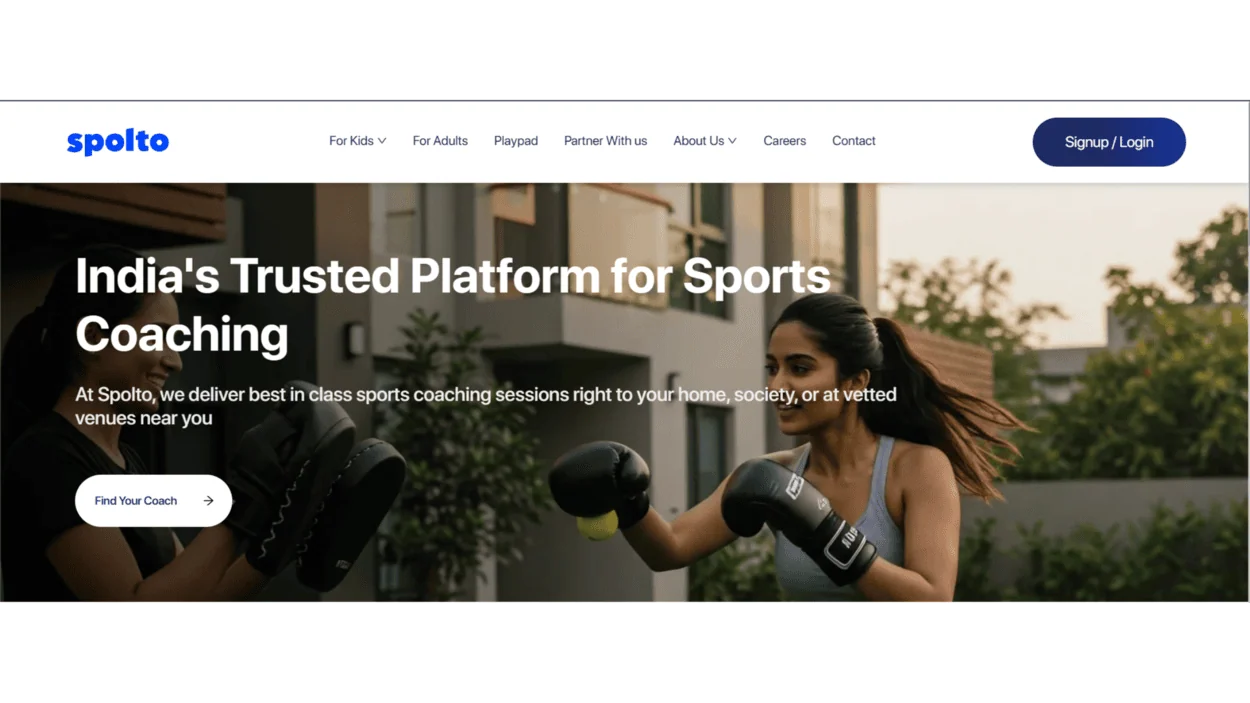
Building a platform like Spolto requires clarity in both product vision and execution.
- Firstly, it is important to have a strong niche. Do not attempt to appeal to all at once. You should have your own audience segment.
- Developing a content strategy is important. Fitness-related apps heavily depend on content.
- Personalization is important. Static plans do not hold the user’s attention.
- Habit formation is important. Features such as streaks and reminders are important.
- Ensure seamless performance. Lag or crashes during workouts can lead to immediate churn.
Role of AI in Fitness App Development
AI is no longer optional in modern fitness apps.
It enables:
- Dynamic Personalization – Workout and diet plans that are always changing according to users’ progress and behavior.
- Predictive Performance Insights – Alerts for fatigue, plateauing, and injury risks based on previous information.
- Computer Vision-Based Form Correction – Feedback during workout sessions through camera input.
- Conversational AI Coaches – Contextual chatbots for workout, recovery, and routine advice.
- Behavioral Nudges – Smart reminders based on users’ behavior, time, and other factors.
- Data Unification Across Devices – AI models that normalize data from various devices.
AI is beneficial for user engagement and performance. AI also needs proper implementation.
Future Trends in Fitness App Development
The fitness app development space is constantly changing.
- Hyper-Personalized Fitness Journeys – The ability to make fitness journeys real-time adjustments based on biometric data, fitness goals, and daily performance
- Deeper Wearable and Health Ecosystem Integrations – The integration of different devices to gain deeper insights into fitness
- Hybrid Fitness Experiences – The integration of fitness apps, physical, and fitness sessions
- Gamified Engagement Systems – More complex gamification models
- AI-Powered Preventive Health – Fatigue, stress, and other health issues detection
- Immersion Fitness Experience (AR/VR) – More immersive fitness experiences, taking our environment into consideration
- Mental Health and Recovery-Based Fitness – Sleep, stress, and recovery as part of our fitness journey
- Community-Driven Fitness – Fitness models that include community challenges and loops
Choosing the Right Fitness App Development Company
Having the right partner can make all the difference in your product’s success.
Look for:
- Proven Domain Expertise – Experience in developing fitness apps and user behavior
- Product/UI/UX Thinking – Experience in creating user experiences that are effortless and addictive
- Scalable Architecture – Experience in creating scalable systems that can manage real-time data and user growth
- Capability in Integrations – Experience in integrating wearables and health APIs
- Communication Clarity – Timelines, processes, and communication
- Post-Launch Ownership – Support to accommodate iterations, optimization, and feature additions
iProgrammer Solutions brings together product clarity and engineering depth to build fitness applications that scale with confidence. Each solution is designed to be intuitive for users and resilient in performance.
From concept to continuous improvement, the focus remains on creating products that deliver consistent, measurable value. If you are planning your next product, explore our expertise in mobile app development.
Fitness app development in India is no longer just about building a digital product. It is about creating a system that users rely on daily. The key difference between an average application and a successful application is the way it is executed.
Every decision counts. From the onboarding process to tracking data, and the quality of the content to the stability of the application’s performance.
The way businesses approach this segment with clarity and depth is what helps them build better applications.
How do fitness apps make money?
Through subscriptions, in-app purchases, and paid coaching or premium content.
What is the biggest mistake in fitness app development?
Focusing on features instead of user retention and habit-building.
Should I build a cross-platform or native fitness app?
Cross-platform is faster and cost-effective. Native offers better performance for advanced features.
How do fitness apps retain users long-term?
Through personalization, progress tracking, and habit-forming features like streaks and reminders.